The Ultimate Guide to Gluten-Free Eating
Unlock Your Delicious, Worry-Free Life: The Ultimate Guide to Thriving Gluten-Free
Hey there, friend! Ever feel like your stomach is staging a full-blown revolt after a seemingly innocent slice of pizza? Or maybe you're constantly battling that nagging brain fog that makes it feel like you're wading through molasses? Yeah, we've all been there... or at least, a lot of us have. But what if I told you the culprit could be hiding in plain sight, nestled in your favorite breads, pastas, and even some sneaky sauces? We're talking about gluten, that sneaky protein that can wreak havoc on the unsuspecting digestive system.
Think of gluten like that clingy ex you just can't seem to shake. It's everywhere! From the obvious sources like wheat, barley, and rye (the dreaded trio for gluten-free folks) to the more surprising suspects like soy sauce, processed meats, and even some medications. It's a minefield out there, especially when you're first starting out on your gluten-free journey.
Now, let's be real. Going gluten-free can feel daunting. It's like suddenly being thrust into a foreign country where you don't speak the language (or in this case, read the ingredient labels). You're staring at shelves overflowing with "gluten-free" products, wondering which ones are actually safe and which ones are just cleverly disguised gluten bombs. And then there's the social aspect – navigating restaurant menus, explaining your dietary needs to well-meaning but clueless friends and family, and dodging those awkward "just try a bite!" pressures.
But here's the good news: it doesn't have to be a culinary prison sentence! In fact, going gluten-free can open up a whole new world of delicious possibilities. Think vibrant salads bursting with flavor, savory grain-free bowls packed with nutrients, and even decadent desserts that won't leave you feeling bloated and miserable. It's all about learning the ropes, finding the right resources, and embracing the delicious freedom that comes with taking control of your health.
According to recent studies, the prevalence of gluten sensitivity is on the rise. While celiac disease, an autoimmune disorder triggered by gluten, affects about 1% of the population, non-celiac gluten sensitivity (NCGS) is estimated to impact a significantly larger percentage, with some studies suggesting it could be as high as 6-13%. This means that millions of people are experiencing uncomfortable symptoms after consuming gluten, even without having celiac disease.
But what exactlyisgluten sensitivity? And how do you know if you have it? Well, the symptoms can be a bit of a mixed bag, ranging from digestive woes like bloating, gas, and diarrhea to more systemic issues like fatigue, headaches, joint pain, and skin rashes. It can be tricky to diagnose, as there's no definitive test for NCGS. Often, it's a process of elimination, working with your doctor to rule out other conditions like celiac disease and irritable bowel syndrome (IBS).
So, are you ready to ditch the gluten and embrace a happier, healthier you? Are you curious to learn the secrets to navigating the gluten-free landscape with confidence and ease? Buckle up, my friend, because we're about to embark on the ultimate gluten-free adventure! This guide is your passport to a world of delicious, worry-free eating. We'll explore everything from understanding gluten and its sneaky hiding places to mastering gluten-free cooking and dining out like a pro. Get ready to say goodbye to digestive distress and hello to a vibrant, energized life!
The Ultimate Guide to Gluten-Free Eating
Okay, friends, let's dive deep into the world of gluten-free living! This isn't just about avoiding bread; it's a lifestyle change that can have a massive impact on your overall well-being. We're going to cover everything you need to know to thrive, from understanding gluten to navigating grocery stores and restaurants with confidence.
Understanding Gluten: The Good, the Bad, and the…Well, There Isn't Any Good When You're Sensitive!
Gluten is a protein found in wheat, barley, and rye. It acts like a glue, giving dough its elasticity and that chewy texture we often associate with bread and pasta. For some people, gluten is no problem at all. For others, it's the source of a whole host of issues.
• Celiac Disease: The Autoimmune Culprit
This is the most serious form of gluten intolerance. Celiac disease is an autoimmune disorder where gluten triggers an immune response that damages the small intestine. This damage can lead to malabsorption of nutrients, causing a wide range of symptoms. Diagnosis requires blood tests and a biopsy of the small intestine.
• Non-Celiac Gluten Sensitivity (NCGS): The Mystery Illness
This is where things get a little murky. People with NCGS experience similar symptoms to those with celiac disease, but without the intestinal damage or the same immune markers. It's essentially a diagnosis of exclusion, meaning doctors rule out other conditions before landing on NCGS. Symptoms can include bloating, fatigue, brain fog, and joint pain.
• Wheat Allergy: A Different Beast Altogether
A wheat allergy is a reaction to wheat proteins, not just gluten. It involves the immune system and can cause immediate reactions like hives, itching, swelling, and even anaphylaxis. It’s important to distinguish between a wheat allergy and gluten intolerance, as they require different management strategies.
Identifying Gluten in Your Diet: The Sneaky Culprits
Gluten isn't always obvious. It hides in some surprising places. Learning to read labels is your new superpower!
• The Obvious Offenders: Wheat, Barley, and Rye
These are the big three to avoid. Look for these ingredients on labels: wheat flour, barley malt, rye bread, etc. Be especially careful with different types of wheat like spelt, kamut, and durum.
• Hidden Gluten in Processed Foods: The Ingredient Detective
Gluten can be used as a binding agent, filler, or stabilizer in processed foods. Watch out for these hidden sources:
• Soy sauce (often contains wheat)
• Salad dressings
• Soups (especially cream-based ones)
• Processed meats (like hot dogs and deli meats)
• Candy and chocolate (some brands use gluten as a stabilizer)
• Medications and supplements (check with your pharmacist)
• Cross-Contamination: The Silent Saboteur
Even if a product is labeled "gluten-free," it can still be contaminated if it's processed in a facility that also handles gluten-containing products. Look for products that are certified gluten-free, as they have to meet strict standards.
Navigating the Gluten-Free Grocery Store: Your Shopping Survival Guide
The grocery store can feel overwhelming when you're first starting out. Here's how to navigate the aisles like a pro:
• Read Labels Meticulously: Become an Ingredient Expert
This is your most important skill. Scrutinize every label and look for the words "gluten-free." Also, pay attention to the ingredient list for any of the hidden gluten sources we discussed earlier.
• Focus on Whole Foods: Nature's Gluten-Free Goodness
The easiest way to avoid gluten is to focus on whole, unprocessed foods like fruits, vegetables, lean proteins, and naturally gluten-free grains like rice, quinoa, and corn.
• Explore Gluten-Free Alternatives: Embrace the Replacements
The gluten-free market has exploded in recent years. There are now gluten-free versions of almost everything, from bread and pasta to crackers and cookies. Experiment with different brands and find the ones you like best. Some popular gluten-free flours include almond flour, rice flour, tapioca flour, and coconut flour.
• The Certified Gluten-Free Label: Your Seal of Approval
Look for products with a certified gluten-free label from a reputable organization like the Gluten-Free Certification Organization (GFCO). These products have been tested to ensure they contain less than 20 parts per million of gluten, which is generally considered safe for most people with gluten sensitivity.
Gluten-Free Cooking at Home: Unleash Your Inner Chef
Cooking at home is the best way to control what you're eating and ensure that your meals are truly gluten-free. Don't be intimidated – it's easier than you think!
• Mastering Gluten-Free Baking: A Different Kind of Dough
Gluten-free baking can be a bit tricky because gluten is what gives baked goods their structure. You'll need to use a combination of gluten-free flours and binding agents like xanthan gum or guar gum to achieve the right texture. Start with simple recipes and gradually work your way up to more complex ones. Plenty of resources are available online, catering to all levels of baking.
• Adapting Your Favorite Recipes: Gluten-Free Makeovers
Don't despair if you have favorite recipes that contain gluten. Most recipes can be easily adapted by substituting gluten-free ingredients. For example, you can use gluten-free pasta in your favorite pasta dish or replace wheat flour with almond flour in your pancake recipe.
• Stocking Your Pantry: The Gluten-Free Essentials
Here's a list of essential ingredients to keep on hand:
• Gluten-free flours (almond flour, rice flour, tapioca flour, coconut flour)
• Xanthan gum or guar gum (for baking)
• Gluten-free pasta
• Gluten-free breadcrumbs
• Tamari (gluten-free soy sauce)
• Gluten-free oats (make sure they're certified gluten-free to avoid cross-contamination)
• Preventing Cross-Contamination in the Kitchen: Cleanliness is Key
Even if you're cooking with gluten-free ingredients, you can still be exposed to gluten if your kitchen isn't clean. Use separate cutting boards, utensils, and cookware for gluten-free foods. Wash everything thoroughly with soap and water after each use.
Dining Out Gluten-Free: Navigating the Restaurant Minefield
Dining out can be a challenge, but with a little preparation, you can enjoy a delicious and safe meal.
• Research Restaurants in Advance: The Reconnaissance Mission
Before you go out, check the restaurant's menu online or call ahead to inquire about their gluten-free options. Many restaurants now offer gluten-free menus or are willing to accommodate dietary restrictions. Apps like Find Me Gluten Free can also be invaluable in locating gluten-free-friendly establishments.
• Communicate Clearly with Your Server: Be Your Own Advocate
When you arrive at the restaurant, be sure to inform your server about your gluten intolerance. Explain that you need to avoid gluten and ask about potential sources of cross-contamination. Don't be afraid to ask questions about ingredients and preparation methods.
• Choose Safe Options: Play it Smart
Stick to simple dishes made with whole foods, like grilled fish, steamed vegetables, or salads with oil and vinegar dressing. Avoid fried foods, as they're often cooked in the same oil as gluten-containing items. Be wary of sauces and gravies, as they often contain wheat flour.
• Watch Out for Cross-Contamination: Be Vigilant
Ask the restaurant to take precautions to prevent cross-contamination. This might include using separate cutting boards, utensils, and cooking surfaces. If you're concerned about cross-contamination, it's always best to err on the side of caution and choose a different dish.
Living the Gluten-Free Lifestyle: Thriving, Not Just Surviving
Going gluten-free is more than just avoiding certain foods. It's a lifestyle change that requires commitment and awareness. But with the right knowledge and support, you can thrive on a gluten-free diet and enjoy a happier, healthier life.
• Find Your Gluten-Free Community: Support is Key
Connect with other people who are living gluten-free. Join online forums, attend local support groups, or find a gluten-free buddy to share recipes and tips with. Having a support network can make the transition to a gluten-free lifestyle much easier.
• Listen to Your Body: The Ultimate Guide
Pay attention to how your body responds to different foods. Everyone is different, and some people may be more sensitive to certain gluten-free ingredients than others. Keep a food diary to track your symptoms and identify any potential triggers.
• Don't Be Afraid to Experiment: The Joy of Discovery
Going gluten-free doesn't mean you have to give up your favorite foods. Get creative in the kitchen and experiment with different gluten-free recipes. You might be surprised at how delicious and satisfying gluten-free food can be!
• Focus on the Positive: Embrace the Benefits
Instead of focusing on what you can't eat, focus on all the delicious and nutritious foods youcaneat. A gluten-free diet can be incredibly varied and flavorful. And remember, you're doing this for your health and well-being. Embrace the benefits of a gluten-free lifestyle, like increased energy, improved digestion, and clearer thinking.
Questions and Answers About Gluten-Free Eating
Here are some common questions people have about going gluten-free:
• Q: Is a gluten-free diet healthy for everyone?
A: Not necessarily. A gluten-free diet is essential for people with celiac disease, gluten sensitivity, or wheat allergy. However, for people who don't have these conditions, there's no inherent health benefit to going gluten-free. In fact, a poorly planned gluten-free diet can be deficient in certain nutrients. It's important to consult with a healthcare professional or registered dietitian before making any major dietary changes.
• Q: Are gluten-free products always healthier?
A: Not at all! Just because a product is labeled "gluten-free" doesn't mean it's healthy. Many gluten-free processed foods are high in sugar, fat, and sodium, and low in fiber and nutrients. It's important to read labels carefully and choose gluten-free options that are made with whole, unprocessed ingredients.
• Q: How long does it take to feel better after going gluten-free?
A: It varies from person to person. Some people may start to feel better within a few days or weeks of going gluten-free, while others may take several months to experience significant improvement. It depends on the severity of your gluten intolerance and how diligently you're avoiding gluten. Be patient and consistent, and you should eventually start to see positive results.
• Q: Is it possible to accidentally eat gluten, even when trying to be careful?
A: Unfortunately, yes. Cross-contamination can be a real issue, especially when dining out or eating processed foods. That's why it's so important to be vigilant about reading labels, asking questions, and choosing certified gluten-free products. If you accidentally eat gluten, don't panic. Just get back on track with your gluten-free diet and learn from the experience.
Congratulations, you've reached the end of our ultimate guide! We've covered a lot of ground, from understanding gluten and its sneaky hiding places to mastering gluten-free cooking and dining out like a pro. Remember, going gluten-free is a journey, not a destination. There will be challenges along the way, but with the right knowledge and support, you can thrive on a gluten-free diet and enjoy a happier, healthier life.
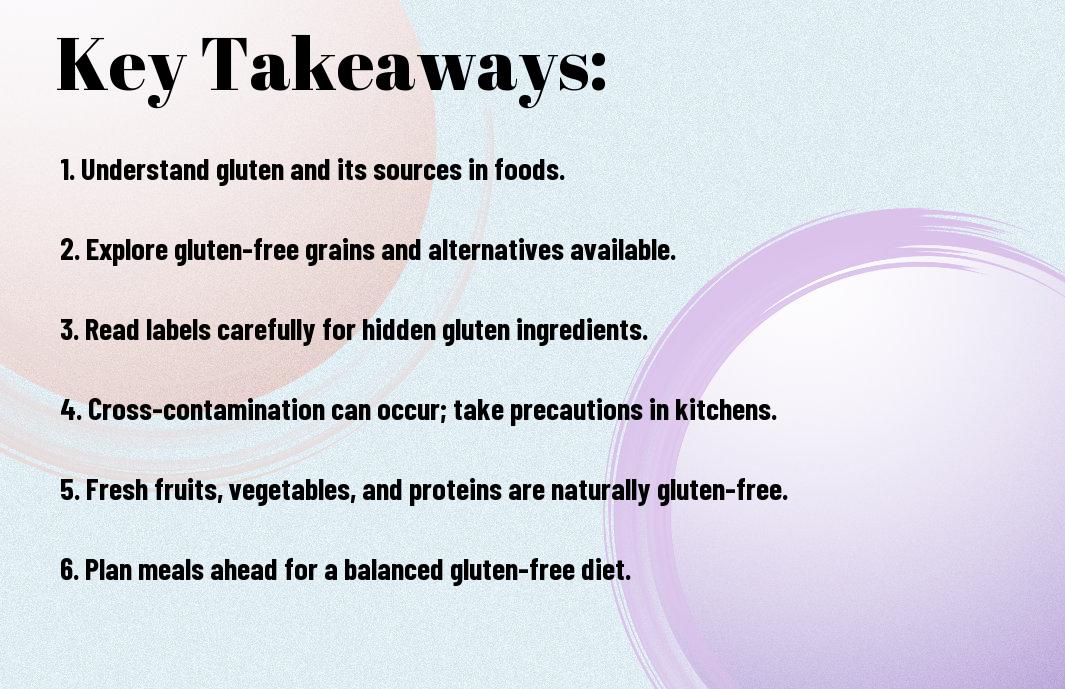
The key takeaway is that living gluten-free is entirely manageable with the correct information and a proactive approach. This guide has armed you with the knowledge to identify gluten, navigate grocery stores and restaurants, and create delicious, safe meals at home. It emphasized the importance of reading labels meticulously, understanding the differences between celiac disease, NCGS, and wheat allergies, and the need for vigilance against cross-contamination.
Now, it's time to take action! Start by auditing your pantry for gluten-containing products and replacing them with gluten-free alternatives. Plan your meals for the week, focusing on whole, unprocessed foods and experimenting with new gluten-free recipes. When dining out, research restaurants in advance and communicate clearly with your server about your dietary needs.
Remember, you're not alone on this journey. Connect with other people who are living gluten-free for support and inspiration. Celebrate your successes and don't get discouraged by occasional setbacks. Embrace the freedom and empowerment that comes with taking control of your health and well-being.
So, are you ready to transform your life and embrace a vibrant, energized, and gluten-free you? Let's get started, and remember, every small step you take towards a gluten-free lifestyle is a step towards a healthier, happier you. What delicious gluten-free meal will you create first?

Post a Comment for "The Ultimate Guide to Gluten-Free Eating"
Post a Comment